

Family disputes can feel overwhelming. Whether it’s disagreements about children, finances, property, or future arrangements, emotions often run high. When communication breaks down, it can feel like there’s no way forward.
That’s where EH Mediation Brent comes in. Their goal is simple: help families work through disagreements calmly and practically, without making a tense situation worse.
A mediator isn’t there to pick a side or tell you what to do. Their job is to give both of you a structured, safe place to talk, where each person gets a fair chance to speak and actually be heard.
Mediation gives you room to slow down. You get to hear what the other person is actually worried about, and you can agree on something that will work in your day-to-day life. Also Check: Legal Waters: Essential Insights on Inheritance Mediation
Understanding Family Disputes and the Role of a Professional Mediator
Disputes don’t only happen when a couple splits up. They also come up between co-parents who’ve been apart for years, and between extended family members. The sticking points tend to be:
- Who the children live with, and how holidays and school runs are shared
- How savings, pensions and debts get divided
- What happens to the family home
- Conversations that have stopped being possible, where every message turns into an argument
A professional mediator’s role is to guide conversations in a neutral and supportive way. At EH Mediation Brent, the mediator is not there to judge who is right or wrong. Instead, they help both sides focus on solutions rather than blame. See How Family Mediation Helps Parents Agree on child arrangements.
Mediation is about cooperation. It gives you control over the outcome instead of placing decisions in the hands of a judge. This often leads to more flexible and family-focused agreements.
What Does a Family Mediator Do in Dispute Resolution?
When you attend family mediation, you have the chance to explain what’s troubling you and hear the other person’s concerns. The mediator helps by:
- Giving both parties time to explain their side
- Working out which issues need to be discussed
- Clearing up confusion or misunderstandings
- Keeping conversations from turning into arguments
- Helping both parties explore solutions they can live with
At EH Mediation Brent, things start with an initial meeting about your circumstances and what you need help with. If mediation is suitable, further sessions are arranged to work through the disagreements, one issue at a time. Family Mediation Explained: Legal Guidance and Knowing When to Involve the Court
The mediator makes sure you each get your say, with no one talking over the other. If the conversation drifts back to who did what three years ago, they steer it back to what needs to be decided now.

How Mediator Supports You Through Separation and Divorce
Separation and divorce wear people down. The paperwork is only part of it. You’re also trying to work out what life looks like now, and that’s tiring on its own. (Check here: Why Family Mediation Works)
Most people who come to EH Mediation Brent are stressed, unsure what happens next, and sometimes scared. A mediator helps by:
- Keeping the conversation about the children calm and on track
- Explaining how the financial side works, so you’re not guessing
- Stepping in when a discussion starts to get heated
- Helping you settle on arrangements you can actually stick to
Going to court tends to make things more adversarial. Mediation usually does the opposite, and that matters most when children are involved. The aim is to keep the relationship between you workable, so you’re not still fighting about the same things in two years. Also check out: Ensuring Your Mediation Agreement is Rock Solid: Key Legal Insights for Success.
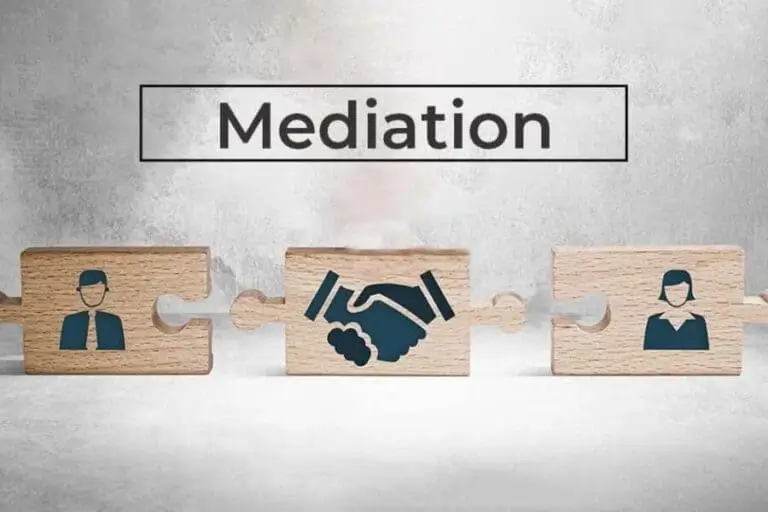
How a Mediator Keeps Discussions Productive and Respectful
When emotions are running high, a conversation can turn into an argument within minutes. A good mediator knows how to keep that from happening. See Here: The Challenges of Grandparent Rights Disputes: A Mediation Guide
At EH Mediation Brent, sessions follow a clear structure, so:
- Everyone gets to finish what they’re saying
- The talk stays on what needs deciding
- No name-calling or digging up old arguments
- Schedules, money and other real-life details don’t get lost
The mediator explains the ground rules before anyone starts talking. If things get heated, they step in. Most people calm down once they know they won’t be talked over.
How a Mediator Helps You Avoid Court Proceedings
Going to court can drag on for months, and the legal bills add up fast. It also tends to make an already tense situation worse. Also Read: The Hidden Costs of Avoiding Mediation: Unpacking the Consequences of Non-Participation
Mediation is another way to do it. With EH Mediation Cheshire, a lot of families sort things out without ever going to court. That usually means:
- Less stress
- A lower bill
- Getting it done in weeks rather than months
- Keeping your business private
The big difference is who makes the decisions. In court, a judge decides what happens with your children and your money. In mediation, you do. Also read: Challenges and Limitations of Collaborative Law in Family Disputes
Moving Forward with Confidence with the Support of a Mediator
The end of a relationship doesn’t have to mean the start of a long and painful legal battle. With the right support, it can be the beginning of a more peaceful future.
EH Mediation specialises in helping families navigate difficult transitions with dignity and respect. See Here: Why a MIAM Is the First Step in Resolving Child Arrangements – And How EH Mediation Guides You
Mediation won’t fix everything, but it gives you a way to talk things through without it turning into another fight, and to come away with a plan you can follow.
If you’re dealing with a family dispute, get in touch with EH Mediation. A first conversation costs you nothing to ask about, and it’s usually clearer than you expect.
You don’t need to have it all figured out before you call.

FAQs
Q: What family issues can EH Mediation Brent help with?
Most cases involve child arrangements, money, or the family home. We also help with spousal maintenance and with co-parents who can’t agree on day-to-day decisions. If your issue isn’t on that list, ask. It may still be something mediation can cover.
Q: How does mediation keep things calm when emotions are high?
It helps that there’s someone neutral in the room. The mediator usually talks to each of you on your own first, so the first joint session isn’t a shock. After that it’s one person at a time. Things do get heated sometimes, and when they do, the mediator stops it. Need a break? Take one. Most sessions run around 60 minutes.
Q: Does the mediator take sides or make decisions for us?
No. The mediator doesn’t judge who’s right and won’t tell you what to agree to. Their job is to run the conversation. The decisions are yours.
Q: Why is EH Mediation Brent focused on practical, family-suited agreements rather than escalating conflicts?
Because practical agreements last longer and reduce stress—especially when children are involved—unlike court battles, which can increase tension.
Q: Can EH Mediation assist with disputes between extended family members or separated co-parents?
Yes. They support separated parents, co-parents, and even extended family members facing disputes.
Q: What is the first step in the EH Mediation process, such as the initial meeting?
The first step is an initial meeting (MIAM) where you discuss your situation, learn how mediation works, and decide if it’s right for you.
Q: How does an EH Mediation Brent session ensure both parties have equal time to speak without interruptions?
The mediator sets speaking guidelines and ensures each person has uninterrupted time to share their views.
Q: In EH Mediation Brent, how does the mediator guide discussions away from past grievances toward future solutions?
Arguing about who did what rarely gets anywhere, so the mediator keeps pulling the talk back to what needs sorting out now: the schedule, the money, the house. See Here: What to Do When a Mediation Agreement Fails
Q: How does mediation help with talking about child arrangements and money during a separation?
Mostly by not trying to do everything at once. The mediator picks one thing, say where the kids will be during the week, and you stay on that until there’s some sort of agreement. Then the money. Honestly, it’s the pile-up of issues that sets most people off, so splitting them up takes a lot of the heat out.
Q: What are the ground rules in a mediation session?
Nothing complicated. Don’t talk over each other, don’t make personal digs, and stick to the issue you’re discussing. If someone slips, the mediator steps in.
For Further Information Please Contact Us